how the cheap american high-defense servers perform during peak traffic periods is a concern of many small and medium-sized enterprises and individual webmasters. this article analyzes actual performance from the perspectives of protection capabilities, bandwidth, hardware, caching, and operation and maintenance strategies, and provides actionable optimization and risk tips for easy reference in seo and operation and maintenance decisions.
cheap high-defense servers usually provide basic ddos filtering and traffic cleaning, but the cleaning capacity and strategies are relatively limited. when faced with large-scale and persistent attacks, low-cost solutions may only be able to mitigate some attacks, and upstream cleaning or third-party protection must be combined to make up for shortcomings.
the key to traffic peak periods lies in public network bandwidth and upstream link quality. cheap solutions often have insufficient bandwidth reservation or a high proportion of shared bandwidth, and are prone to congestion when encountering a sudden increase in traffic, leading to risks of packet loss, increased latency, and service unavailability.
cheaper servers may have weak cpu, memory, and network interfaces. highly concurrent connections and frequent encrypted handshakes can trigger computing bottlenecks and affect application layer response. you need to pay attention to hardware indicators such as the number of concurrent connections, socket limits, and disk io.
reasonable use of cache and cdn can significantly reduce the pressure on the origin site. even if the cheap us high-defense servers have limited protection, through edge caching, static resource separation and load balancing strategies, peak traffic can be dispersed and the probability of single points of failure can be reduced.
detection and response speed determine whether availability can be maintained during peak periods. the detection rules and manual intervention of cheap solutions may not be timely enough. automated response and threshold setting are key. it is recommended to combine traffic threshold alarms and automatic triggering of plans.
complete monitoring and logging are the basis for troubleshooting during peak periods. cheap solutions usually have limited monitoring data retention. it is recommended to configure external log collection and traffic analysis tools to quickly identify attack patterns or performance bottlenecks and guide policy adjustments.
when choosing a cheap american high-defense server, you should carefully review the service provider's sla and protection commitment. low prices are often accompanied by limited compensation and response time. it is important to clarify the upper limit of traffic cleaning, response delay and troubleshooting process.
under cost constraints, a layered protection strategy should be adopted: core services are deployed with higher guarantees, and secondary services use low-priced solutions; at the same time, on-demand expansion, automatic scaling, and third-party cleaning are combined to balance cost and reliability.
common failures during peak periods include bandwidth exhaustion, tcp connection exhaustion, and application layer timeouts. recovery measures should include switching cache strategies, temporarily improving cleaning capabilities, enabling current limiting and downgrading strategies, and communicating with service providers about traffic cleaning resources.
it is recommended to conduct regular stress testing and fault drills, improve threshold alarms and automation scripts; use cdn for static resources, adjust tcp parameters and connection pools; and negotiate emergency expansion and cleaning plans with service providers to reduce risks.
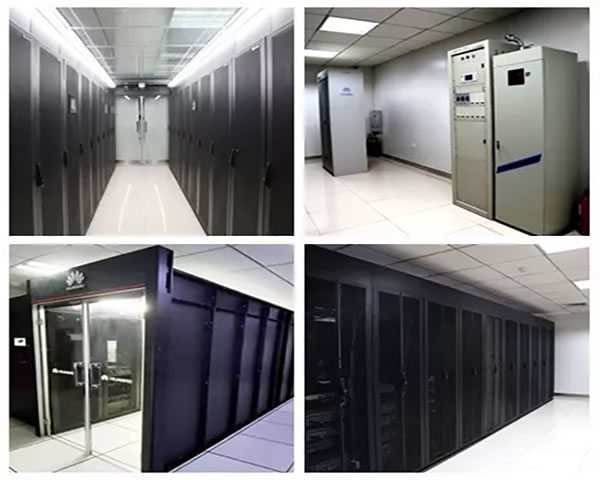
cheap american high-defense servers can provide basic protection during peak traffic periods, but there are bottlenecks in cleaning capacity, bandwidth and hardware capabilities. it is recommended to combine cdn, load balancing, external cleaning and monitoring systems to formulate layered protection and emergency plans to improve availability and pressure resistance within a limited budget.
- Latest articles
- Enterprise Buying Guide Why Renting A German Server Dedicated Line Is More Reliable Than An Ordinary Line
- Hong Kong Cloud Server CDN Deployment Process And Cost Optimization Practical Guide
- Why Hong Kong Vps Has Natural Advantages In Network Connectivity And Bandwidth Stability
- Achieve Independent Traffic Isolation For Different Business Lines Through Multiple IP Addresses Of US High-defense Servers
- Reliability Evaluation Report Of Vietnam Cn2 Service Provider In Enterprise-level Application Deployment
- A Must-read For Enterprise Users: Which Cloud Servers Are Good In Malaysia And Compared With Service Providers?
- Detailed Malaysia Vps Evaluation Report Helps You Choose Suitable Nodes And Configurations
- Experience Sharing On How To Obtain Better Long-term Discounts Through American Vps Purchasing Agents
- Analysis Of Discounts And Packages Helps You Save Money And Efficiently Complete The Thailand Vps Purchase Decision-making Process
- Technical Manual: How To Deploy US Cloud Server Nodes To Optimize Cross-border Access Experience
- Popular tags
-

Analysis Of The Impact Of The U.S. Cluster Server Bandwidth Billing Model On Long-Term Costs
Analyze common bandwidth billing models (pay-as-you-go, 95th percentile, monthly/unmetered, peak billing) and their impact on long-term costs, propose optimization and contract management suggestions, balancing SEO and GEO requirements. -
Practical Steps To Get Started Quickly With Deploying Multiple Domains Using American VPS Hosting Services
It provides a detailed guide to getting started quickly with deploying multiple domain names on American VPS hosting services. It covers key steps such as environment preparation, network and geographic location optimization, domain and DNS planning, account isolation, automated deployment, security enhancements, content and SEO strategies, as well as monitoring and maintenance. -

Where To Find The Best Us Server Recommendations
this article provides you with recommendations for the best us servers to help you find a high-performance server that suits your needs.